Landing your dream job in today’s competitive market feels increasingly challenging. You send countless applications, update your resume repeatedly, and scroll through job boards daily—yet your inbox remains frustratingly empty of interview invitations. The problem often isn’t your qualifications or experience. Instead, common yet costly mistakes in your job search strategy silently sabotage your efforts. Whether you’re seeking a remote job, searching for a job for freshers, or aiming to work remotely in your field, understanding these critical errors can transform your results dramatically. This comprehensive guide reveals the ten most damaging mistakes costing candidates interviews and provides actionable solutions to fix each one immediately. By avoiding these pitfalls, you’ll position yourself ahead of competitors and significantly increase your chances of securing those coveted interview opportunities.
Mistake 1: Sending Generic Resumes to Every Position
Why This Costs You Interviews
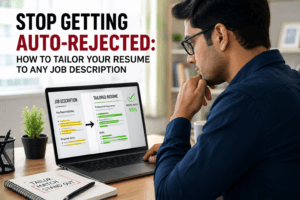
Using the same resume for every job is a major mistake. Hiring managers and applicant tracking systems (ATS) want to see how your experience fits their specific role. A generic resume fails to show relevant skills. Since 95% of resumes go through ATS software, missing the right keywords can lead to rejection—even if you’re qualified.
The Fix
Tailor your resume for each job. Highlight skills and achievements that match the job description. Study the posting to spot key terms, and use similar language when it fits your background. Focus on accomplishments that meet the employer’s needs. Update your professional summary to match each role instead of using a one-size-fits-all version.
Mistake 2: Ignoring Keywords and ATS Optimization
Why This Costs You Interviews
Most companies use applicant tracking systems to scan resumes. If yours lacks the right keywords, it may never reach a recruiter. About 75% of resumes get rejected due to keyword or formatting issues. ATS software looks for terms and skills listed in job descriptions. Without proper optimization, even qualified candidates go unseen.
The Fix
Carefully read each job description and add relevant keywords naturally. Include both hard and soft skills mentioned in the posting. For example, if a remote job values “asynchronous communication” or “distributed team collaboration,” use these phrases in your experience section. Avoid keyword stuffing—make keywords flow naturally. Use standard headings like “Work Experience” and “Education” so the ATS can read them easily.
Mistake 3: Neglecting Your LinkedIn Profile

Why This Costs You Interviews
About 70% of employers check LinkedIn before deciding to interview. An outdated or empty profile hurts your image and limits visibility. Without optimization, you won’t appear in recruiter searches. A weak profile signals lack of professionalism.
The Fix
Update your LinkedIn profile to match your job goals. Use a clear, professional photo. Write a strong headline like “Digital Marketing Expert | SEO & Remote Work Specialist.” Use the About section to tell your story and mention your career goals. Collect recommendations from colleagues, enable “Open to Work,” and engage regularly by sharing industry posts to boost visibility.
Mistake 4: Applying to Inappropriate Positions
Why This Costs You Interviews
Applying for every job reduces your success rate and drains energy. Submitting resumes for roles outside your skill set wastes time and weakens your professional image. Recruiters notice mass applications and interpret them as desperation.
The Fix
Be selective. Target 20–30 companies that fit your skills and values. Use the “70% rule”: apply only if you meet most required qualifications. Research each company and role before applying. For fresh graduates, focus on entry-level jobs or firms with training programs. Track your applications to stay organized and avoid duplicates.
Mistake 5: Writing Poor Cover Letters or Skipping Them Entirely
Why This Costs You Interviews
A bad or missing cover letter is a lost opportunity. Cover letters let you show personality, enthusiasm, and communication skills. For remote jobs, they’re even more important to prove readiness for remote work.
The Fix
Write tailored cover letters for each role. Start with a strong hook—mention a key skill or achievement that fits the job. Reference something specific about the company to show genuine interest. Share real examples that highlight your abilities. Instead of saying “good communication,” describe how you solved problems across time zones. Stay positive, personal, and concise.
Mistake 6: Failing to Network Effectively
Why This Costs You Interviews
Roughly 70% of jobs are filled through referrals or connections. Relying only on online applications limits your chances. Employers trust recommendations over unknown applicants.
The Fix
Build real professional connections. Reach out on LinkedIn with personalized messages. Ask for short chats to learn about roles or companies. Attend online networking events and engage in professional communities. Stay in touch—not just when you need help—but to build long-term relationships.
Mistake 7: Poor Online Presence and Social Media Mistakes

Why This Costs You Interviews
Employers research your online profiles. Unprofessional posts can cost you opportunities. Inconsistent information between LinkedIn, Twitter, or Instagram raises trust issues.
The Fix
Clean up your online presence. Remove or hide anything unprofessional. Keep profiles consistent and aligned with your career goals. Don’t delete everything—share industry insights and positive content. For remote job seekers, an active and professional online image shows digital readiness.
Mistake 8: Inadequate Interview Preparation
Why This Costs You Interviews
Showing up unprepared signals a lack of interest. Not knowing about the company or the role leaves a bad impression. For remote interviews, technical issues show poor readiness.
The Fix
Research the company, job, and industry before the interview. Prepare answers using the STAR method (Situation, Task, Action, Result). Test your internet, audio, and video setup for virtual meetings. Have good lighting, proper posture, and eye contact. Ask thoughtful questions about team culture and growth opportunities.
Mistake 9: Ignoring Follow-Up Communications
Why This Costs You Interviews
Silence doesn’t mean rejection, but failing to follow up could make employers forget you. Delayed or no responses to recruiters show disinterest.
The Fix
Follow up politely after 1–2 weeks. Send short, professional emails showing continued interest. After interviews, send thank-you notes within 24 hours referencing specific points you discussed. Respond to recruiter emails promptly—within a day if possible. Keep messages concise and professional, but don’t overdo it with too many follow-ups.
Mistake 10: Displaying Negative Attitudes and Body Language
Why This Costs You Interviews
Bad body language or negativity can ruin interviews. Complaining about past employers or seeming disengaged creates red flags. For video calls, limited visual space makes impressions stronger.
The Fix
Stay positive and professional. Focus on what you learned rather than past dislikes. Sit upright, smile naturally, make eye contact, and stay relaxed. In virtual interviews, ensure good camera framing and lighting. Even after rejection, thank recruiters politely—it keeps future opportunities open.
Taking Action: Your Path Forward
Implementing These Fixes Systematically
Understanding these mistakes means nothing without action. Start by auditing your current job search approach against these ten mistakes. Identify your top three areas needing immediate attention and focus there first. For most candidates, resume optimization, LinkedIn enhancement, and networking strategies deliver the highest return on investment and fastest results.
Building Sustainable Job Search Habits
Successful job searching isn’t about perfection—it’s about avoiding critical mistakes that eliminate you from consideration before you can compete. Establish consistent routines including daily LinkedIn engagement, weekly application targets, and regular networking activities. Track your applications systematically to identify patterns in responses and adjust your approach accordingly. Remember that quality consistently beats quantity in job searching.
Maintaining Perspective and Momentum
The job market remains competitive, but now you know exactly how to avoid the mistakes keeping most candidates from securing interviews. On average, landing a position takes two to four months of consistent effort. Therefore, maintain realistic expectations while staying motivated. Celebrate small wins like positive networking conversations, profile views, and application submissions. Each step forward brings you closer to your goal.
FAQs
A.Some common mistakes include sending the same resume to every job, not customizing applications, ignoring job descriptions, and failing to follow up after applying.
A.You can improve your resume by tailoring it to each job, adding relevant keywords, highlighting achievements, and keeping the format clear and professional.
A. Customizing applications shows employers that you understand their needs. It also increases your chances of passing resume screening systems and getting shortlisted.